


If you're searching for an eye exam in Edmonton, regular checkups are one of the most important steps you can take to protect your long-term vision. At Helio Optometry, we help patients detect eye disease early and maintain clear, comfortable eyesight through comprehensive eye exams and advanced imaging technology.
Most people are great at scheduling dental cleanings or annual physicals. But when it comes to vision care, many people wait until something feels wrong before booking an appointment.
That’s understandable — if you can see clearly, it’s easy to assume everything is fine.
The problem is that many eye conditions develop slowly and silently. By the time vision changes become obvious, the underlying issue may have already progressed significantly.
That’s why routine eye exams are one of the most important preventative health appointments you can make. At Helio Optometry in Edmonton, we often detect early signs of eye disease long before a patient notices symptoms.
And in many cases, that early detection makes all the difference.
Why Regular Eye Exams Are So Important
Vision is something we rely on constantly — at work, while driving, during sports, and in everyday life. Yet many eye diseases develop without pain or noticeable warning signs.
Conditions like glaucoma, macular degeneration, and diabetic eye disease often begin silently.
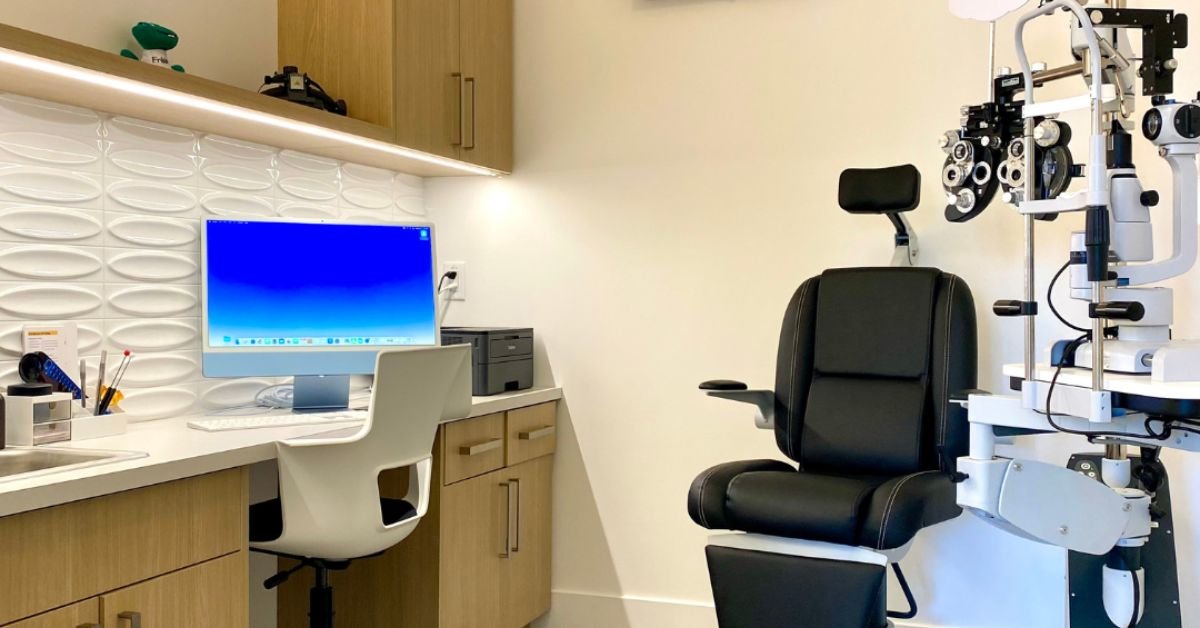
A comprehensive eye exam in Edmonton allows your optometrist to evaluate both your visual acuity and the health of your eyes. Modern eye exams go far beyond reading letters on a chart. They allow doctors to examine the retina, optic nerve, eye pressure, and many other structures inside the eye.
In fact, many systemic health issues — including diabetes, high blood pressure, and vascular disease — can show early warning signs inside the eye.
Regular exams don’t just protect your vision. They can also provide insight into your overall health.
What Happens During an Eye Exam?
Many patients are surprised by how much information can be gathered during a comprehensive vision test.
At Helio Optometry, a routine visit typically includes several different evaluations designed to assess both vision and eye health.
Some of the most common components include:
Visual acuity testing
This measures how clearly you see at different distances and helps determine whether glasses or contact lenses may improve your vision.Eye pressure testing
Elevated pressure inside the eye can be an early sign of glaucoma, a condition that can damage the optic nerve over time.Retinal evaluation
Using advanced imaging technology such as Optomap retinal imaging, your optometrist can examine the retina and optic nerve for early signs of disease.Prescription testing
A glasses prescription test helps determine the exact lens power needed for clear and comfortable vision.Eye health assessment
Using specialized microscopes and imaging devices, your doctor examines the front and back of the eye for conditions affecting the cornea, lens, retina, and optic nerve.
These tests are quick, painless, and provide valuable insight into your visual health.
What Makes a Comprehensive Eye Exam Different?

Not all eye exams are the same. A true comprehensive eye exam looks at far more than just your prescription.
Your appointment may include:
• Review of your medical and family health history
• Assessment of how your eyes work together and focus
• Evaluation of eye muscles and eye alignment
• Screening for eye diseases such as glaucoma and macular degeneration
• Ultra Widefield Retinal imaging to monitor eye health over time
• Updating prescriptions for contact lenses or glasses if needed
This complete evaluation helps ensure that even subtle changes in vision or eye health are detected early.
What Happens If You Skip Eye Exams?
Many serious eye diseases progress quietly.
For example, glaucoma often causes no symptoms until permanent vision loss has already occurred. Diabetic eye disease can damage blood vessels in the retina long before vision becomes blurry.
Without routine monitoring, these conditions may go unnoticed for years.
Vision loss can affect everything from driving to workplace productivity and even overall independence.
The encouraging news is that many causes of vision loss can be managed or slowed significantly when detected early.
That’s one of the main reasons doctors strongly recommend regular adult eye exams even if your vision seems perfectly fine.
How Often Should You Have an Eye Exam?
The ideal schedule varies depending on age, medical history, and individual risk factors.
A general guideline is:
Children
Eye exams before starting school and periodically during development.Adults (18–64)
An exam every one to two years, depending on visual needs and prescription stability.Adults over 65
Yearly eye exams are recommended because the risk of conditions like cataracts, glaucoma, and macular degeneration increases.
Patients with diabetes, high prescriptions, or a family history of eye disease may require more frequent monitoring.
If you're unsure when your last exam was, it may be time to schedule your next Edmonton eye appointment.
Common Questions About Eye Exams:
-
A comprehensive eye exam typically takes 30 to 45 minutes. During this time, your optometrist evaluates your vision, updates your glasses or contact lens prescription if needed, and checks the overall health of your eyes. Additional testing, such as retinal imaging or OCT scans, may take a few extra minutes but provide valuable insight into eye health.
-
Yes. Many eye conditions develop slowly and may not have noticeable symptoms at first. Diseases like glaucoma, macular degeneration, and diabetic retinopathy can often be detected during a routine eye exam long before vision changes occur. Early detection allows for earlier treatment and better long-term outcomes.
-
Absolutely. Clear vision does not always indicate healthy eyes. Many serious eye conditions develop without pain or obvious warning signs. Regular eye exams allow your optometrist to monitor subtle changes in your eyes and identify potential issues early.
-
Coverage depends on age and medical conditions. In Alberta, eye exams are often partially covered for children and seniors, with a small co-pay. Adults aged 19-64 must pay privately for their eye exam, unless they have coverage through another government program, such as AISH, Alberta Works, or NIHB.
-
If you’re looking for a comprehensive eye exam in Edmonton, Helio Optometry offers modern diagnostic technology, including retinal imaging and OCT scans to help monitor both vision and eye health. Appointments can be easily scheduled online through our booking page.
Protecting Your Vision Between Eye Exams
While regular exams are essential, daily habits also play an important role in maintaining eye health.
A few simple strategies include:
Wear UV protection.
Quality sunglasses that block 100% of UV rays protect the eyes from long-term damage.Eat a vision-friendly diet.
Foods rich in omega-3 fatty acids, vitamin C, vitamin E, and zinc support retinal health.Take breaks from digital screens.
Long hours on computers and phones can contribute to digital eye strain. Following the 20-20-20 rule can help.Stay hydrated.
Adequate hydration helps maintain healthy tear production and comfortable vision.Don’t ignore new symptoms.
Sudden flashes, floaters, blurry vision, or eye discomfort should always be evaluated by an eye doctor.
Clear Vision Starts With Prevention
Vision plays a huge role in how we experience the world — from reading and driving to sports and time with family.
Routine eye exams are one of the simplest ways to protect your vision for the long term.
At Helio Optometry, our goal is simple: help people see well at work, in life, and in play. Regular checkups allow us to detect problems early, update prescriptions when needed, and keep your eyes functioning at their best.
If it’s been a while since your last exam, scheduling a visit may be one of the easiest ways to protect your long-term eye health.
Your future vision will thank you.

Disclaimer: The content provided in this blog post by Helio Optometry eye care clinic in West Edmonton is intended solely for informational purposes and does not replace professional medical advice, diagnosis, or treatment by a Licensed Optometrist. No doctor/patient relationship is established through the use of this blog. The information and resources presented are not meant to endorse or recommend any particular medical treatment or guarantee and outcome. Readers must consult with their own healthcare provider regarding their health concerns. Helio Optometry and its optometrists do not assume any liability for the information contained herein nor for any errors or omissions. Use of the blog's content is at the user's own risk, and users are encouraged to make informed decisions about their health care based on consultations with qualified professionals.



Somewhere around your 40s, your eyes stop doing three things at once, and most people just live with it. Here's the fix most places never actually get right, and why Stonewire builds every lens around how you really live, not just what your prescription says.