


Cataract Surgery in Edmonton: Referrals & Follow-Up Care
From referral to recovery, we’re here to help you see clearly.
What Are Cataracts
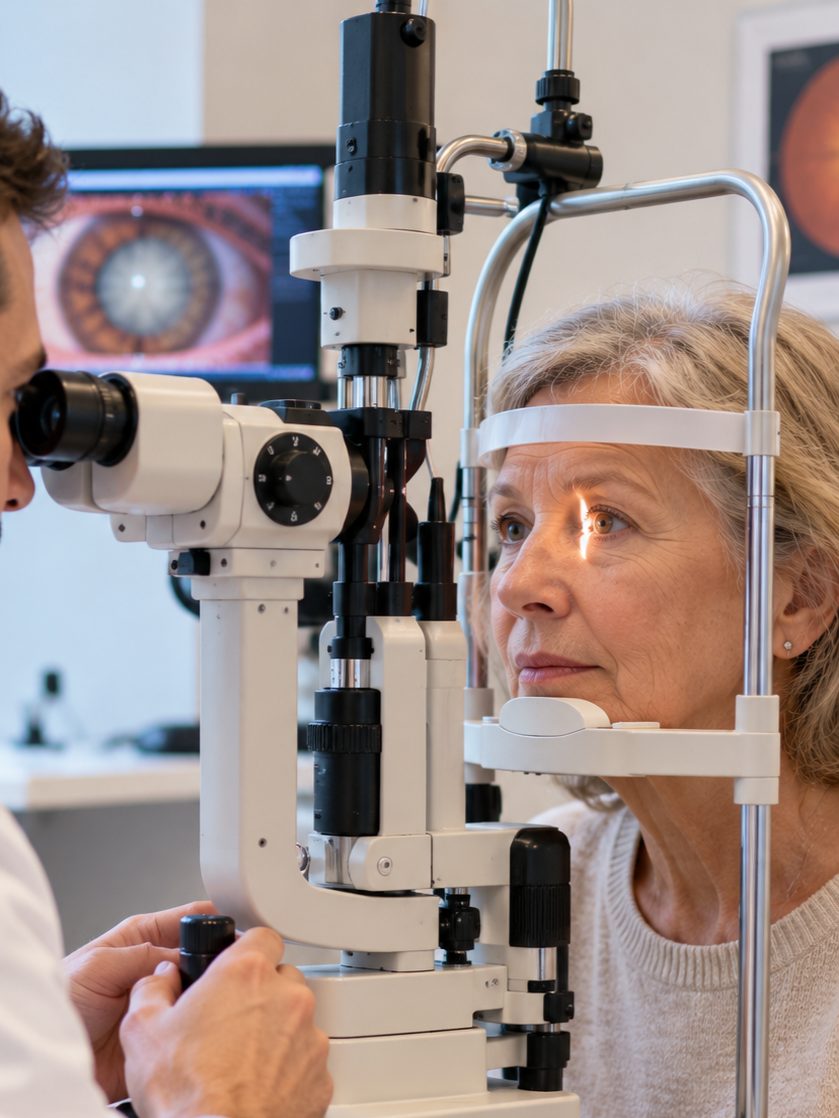
Cataracts are a normal part of aging for many of us, but that doesn't mean you have to live with blurry or cloudy vision. A cataract develops when the natural lens inside your eye becomes cloudy, gradually making everyday activities like reading, driving at night or recognizing faces more difficult. When cataracts begin interfering with your daily life, surgery can remove the cloudy natural lens and replace it with a clear artificial lens, called an intraocular lens or IOL.
At Helio Optometry, we can help determine when you're ready for cataract surgery, arrange your referral to an ophthalmologist, discuss your lens options and provide follow-up care after your procedure.
-
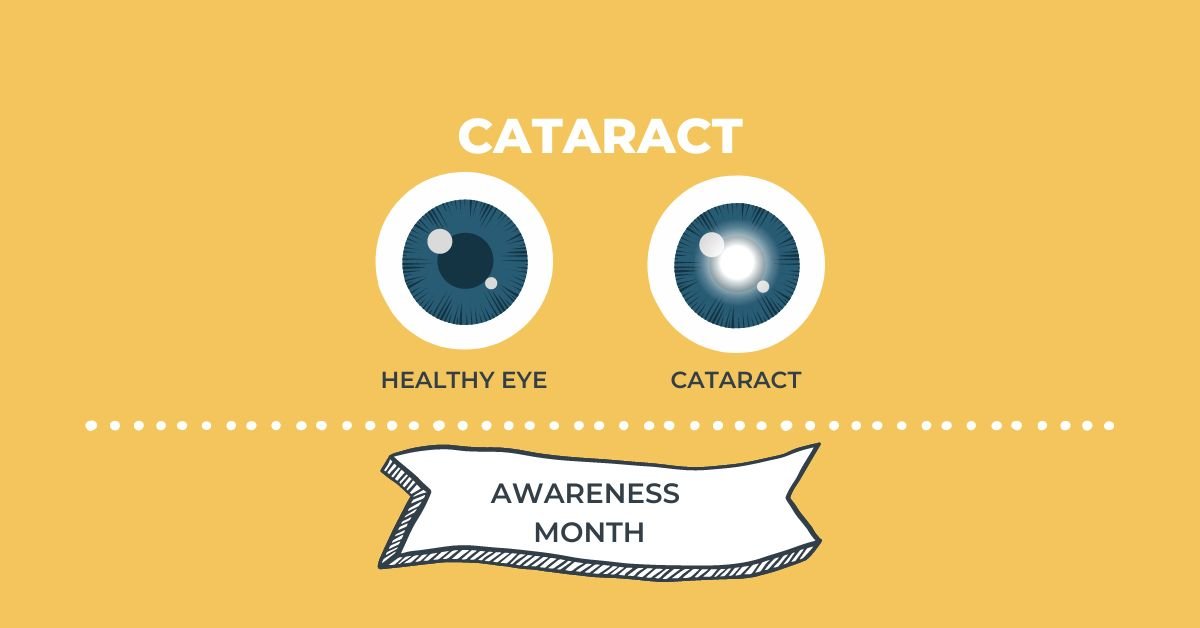
Simply put, a cataract is the clouding of the natural lens inside of the eye. Normally this lens is crystal clear and is a part of the eye that helps to focus light on the retina. When the lens becomes clouded, less light will enter the eye, and our vision may be affected.
-
Cataracts can develop in anyone, but they are most common in older people.
There are several factors that can increase the risk of developing a cataract, including:
#1 Aging: The natural aging process is the most common cause of cataracts.
#2 Genetics: Some people may have an inherited tendency to develop cataracts at a younger age.
#3 Eye injury or trauma: Severe eye injuries or trauma can cause damage to the lens of the eye and lead to cataracts.
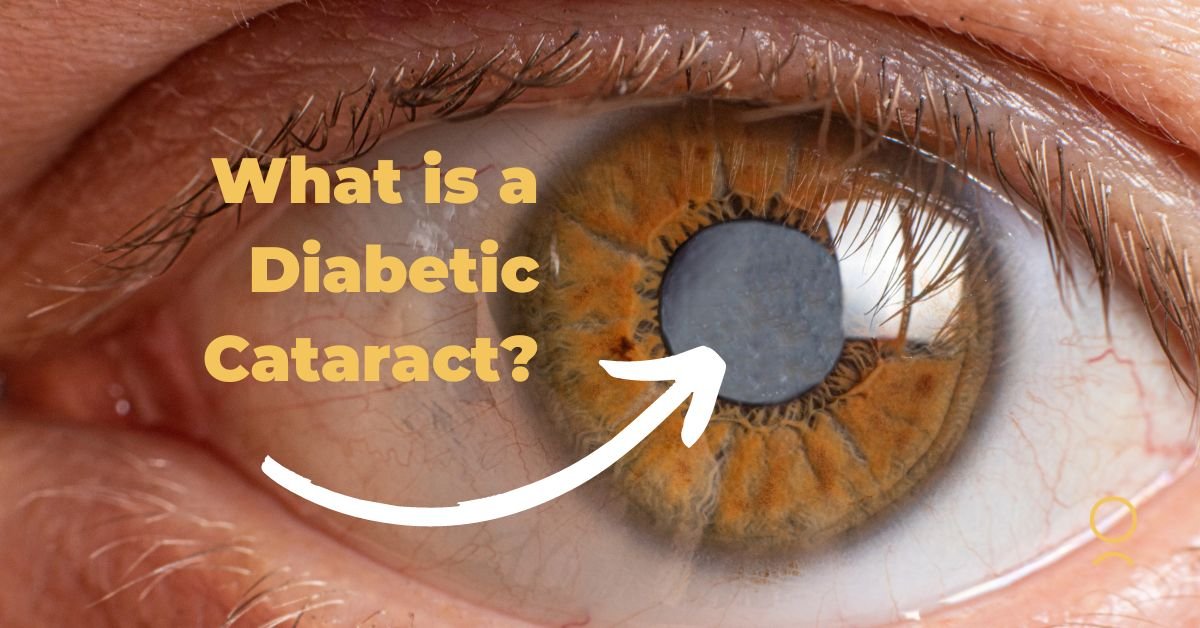
#4 Medical conditions: Certain medical conditions, such as diabetes, can increase the risk of developing cataracts.
#5 Prolonged use of certain medications: Some medications, such as corticosteroids (prednisone), can increase the risk of developing cataracts.
It is also important to note that exposure to UV radiation from the sun or other sources, smoking, and excessive alcohol consumption may also increase the risk of developing cataracts.
-
Although the idea of undergoing eye surgery can be daunting, it is important to understand that cataract surgery is one of the safest procedures. It is often performed as an outpatient procedure, and you can return home the same day.
During cataract surgery, ultrasound waves are used to break up the old lens, which is then replaced with a synthetic intraocular lens. Since the required incision is small, it typically doesn't require stitches, reducing the likelihood of complications.
-
It's essential to arrange a ride home from the surgical facility; you won't be able to drive yourself. In addition, you may experience some mild discomfort or a scratchy sensation for the first few hours after the operation. You'll also notice that your vision may still seem blurry or out of focus for the first few days.
To help protect the eye, you may be given a shield to wear over the eye for the first few days and while sleeping or napping. You will also be prescribed both antibiotic and anti-inflammatory medicated eye drops. Your surgeon will usually give you a detailed schedule which you need to follow (we recommend setting your cell phone with alarms so you don't forget).
Taking a few days off from work is generally advised to let your eyes fully heal and adjust. If you require a note for your employer, please talk to our staff or the surgeon. In addition, we recommend that you refrain from exercise or rough activities.
Upon completing the surgery, it is important to closely follow the health of the eyes to ensure proper healing. Our office will schedule a 1-day, 2-week and 6-week follow-up appointment. We will also send progress reports back to your surgeon.
-
At Helio Optometry, we prioritize your eye health and well-being. As part of our commitment, we refer our patients to the best and most experienced ophthalmologists in the Edmonton area.
We also offer guidance, instructions, and information to help you feel confident before and after your surgery. In addition, our team will work with you to co-manage your care and provide all the necessary follow-up appointments.
In addition, if you require new prescription glasses following your cataract surgery, we are happy to assist you in finding the right fit for your needs.
-
Patients often describe what it feels like to have a cataract as looking through a dirty window, or as if they can never get their glasses quite clean enough.
Symptoms of a cataract may include:
- Blurred or hazy vision
- Sensitivity to light and glare
- Poor night vision
- Seeing halos around lights
- Fading or yellowing of colours
- Double vision in one eye
“Cataracts usually develop slowly, so the decision to have surgery isn’t based on how your cataract looks. It’s about how much it’s affecting your vision and your life. My role is to help you understand when the time is right.””

Cataract Surgery Referrals
At Helio Optometry, our experienced optometrists are here to guide you through every step of managing cataracts. Using advanced diagnostic tools, we can detect cataracts early and assess their impact on your vision. If cataract surgery is required, we’ll provide a thorough explanation of the process and refer you to trusted cataract surgeons for expert care. Our team will also discuss the various intraocular lens (IOL) options available, helping you choose the best solution to suit your lifestyle and visual needs.
We will also help you to select the best cataract surgeon for your needs. Our optometrists work closely with a network of highly skilled and trusted ophthalmologist in Edmonton and the surrounding areas of Sherwood Park, Fort Saskatchewan, and Spruce Grove, ensuring that you are referred to a specialist who meets your unique needs.
At Helio Optometry, our optometrists take the time to address any questions or concerns you may have about the surgery, ensuring you feel informed and confident about the next steps.

Your Cataract Surgery Follow-Up Care at Helio
Your care doesn’t end when cataract surgery is finished. At Helio Optometry, we work closely with your ophthalmologist to monitor your recovery, make sure your eyes are healing as expected and help you get the best vision possible after surgery.
Your first follow-up is typically the same day or the day after surgery, depending on your surgeon’s instructions. We’ll check your vision, eye pressure and the health of your eye, and look for any early signs of a complication. We’ll then continue to monitor your recovery with follow-up visits, commonly around 2 weeks and 7-8 weeks after surgery.
At your final post-operative visit, once your vision has had time to stabilize, we can determine whether you would benefit from an updated eyeglass prescription. Even after successful cataract surgery, many people still use glasses for reading, computer work, driving or simply to fine-tune their vision.
We’ll also pay close attention to the surface of your eyes and dry eye symptoms. Cataract surgery can temporarily worsen or uncover dry eye, which may cause fluctuating vision, irritation or discomfort during recovery. If needed, we can recommend treatment to improve your tear film, comfort and quality of vision.
Our goal is simple: to make sure your eyes are healing well, your vision is where it should be, and you have someone you can come back to if something doesn’t feel right.
Are You Concerned About Cataracts?
Let Us Help Manage Your Eye Health.
Check Out These Blog Posts On Cataracts







FAQ | Cataract’s Eye Exam
-
A cataract eye exam involves a more detailed look in the health of the eye and may be performed in addition to your regular adult eye exam or seniors exam. Our optometrists will examine the outside and inside of your eyes in detail. This requires dilating eye drops, which temporarily make your pupil larger, making it easier for us to see all the structures of your eyes. These tests allow us to grade the severity of a cataract and determine the appropriate treatment plan which may include a referral to an opthalmologist.
-
Absolutely. We will start with a routine comprehensive eye exam, then perform the dilated cataract eye exam and any additional testing that may be required. When combined in this fashion, the eye exam will usually take about 1 hour but saves you a trip back to our office on a separate day.
-
Yes, most people can safely drive home after dilating their eyes. But, taking some precautions or bringing someone who can drive you home is essential. Dark sunglasses are strongly recommended as your eyes will not be able to adjust to the sunlight. In addition, we recommend that people drive straight home instead of performing other errands.
-
Yes. Every Albertan, regardless of age, is covered by Alberta Health Care for medical eye concerns such as cataracts. Most cataract eye exams come upon the recommendation of the optometrist. You do not need to see an ophthalmologist for the initial consultation or have a referral from your Primary Care Physician.
-
#1 - Your Alberta Health Care (AHC) card - this allows us to bill AHC for the dilated retinal exam
#2 - Government Issued Photo-ID - Required for all AHC visits.
#3 - The Name of Your Family Doctor. We like to send them a letter after the eye exam, letting them know our findings.
#4 - A list of your current medications
#5 - If you've ever had any previous eye surgeries
#6 - Your current eyeglasses so we can check your visual acuity.

Not all reading glasses are created equal — and an Edmonton optometrist explains exactly where to buy them, what the differences actually cost you, and when a $175 custom lens changes everything.