

Why Are My Eyes Red? What's Really Going On (And What Most People Get Wrong)
By Dr. Ross McKenzie | Helio Optometry Edmonton Alberta | 20+ Years of Eye Care Experience
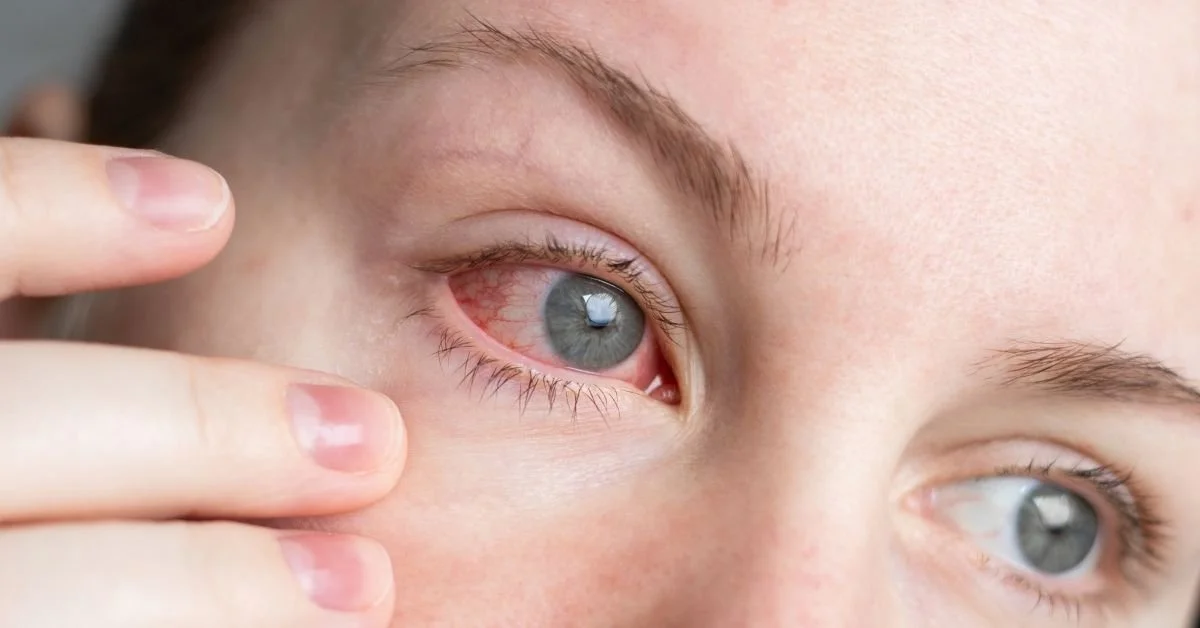
Almost everyone experiences red eyes at some point. Maybe you wake up and the whites of your eyes look irritated. Maybe they're itchy after a long day at a screen, or uncomfortable after spending time outside. And almost everyone does the same thing: they head to the drugstore, grab some Visine or allergy drops, and hope for the best.
Here's the problem: that approach often makes things worse.
After 20 years of practicing optometry in Edmonton, I can tell you that most red eyes are not what people think they are. They're not allergies. They're not pink eye. And the over-the-counter drops people reach for first are frequently the wrong tool for the job. Sometimes, they mask the real problem just enough to delay proper treatment by months.
This post is about what's actually causing your red eyes - and what to do about it.
The Most Common Cause of Red Eyes Nobody Talks About
If I had to name the single most common cause of red, irritated eyes I see in my clinic every week, it wouldn't be allergies. It wouldn't be infections. It would be Meibomitis - inflammation and blockage of the Meibomian glands, the tiny oil-producing glands that run along the edges of your eyelids.
Most people have never heard of it. But it's behind a significant portion of the red, uncomfortable eyes I see every single day.
Here's how it works. Your tear film isn't just water - it has an oil layer on top that slows evaporation and keeps your eyes comfortable. That oil comes from the Meibomian glands. When those glands get clogged or inflamed, they stop producing smooth, healthy oil and start producing something more like a thick paste. Without proper oil in the tear film, your tears evaporate too quickly, the surface of your eye dries out, and the result is redness, irritation, and discomfort.
We diagnose this in the clinic using our high-powered slit lamps, fluorescein dye, and by gently applying pressure to the glands to test what comes out. Healthy glands produce clear, smooth oil. Blocked ones produce cloudy, thick, toothpaste-like secretions. We also measure something called Tear Break-Up Time - how quickly the tear film breaks apart after a blink. In patients with Meibomitis, this happens very fast. Left untreated over time, the condition can progress to something called superficial punctate keratitis - essentially dry, damaged patches on the surface of the eye itself.
Why Over-the-Counter Drops Usually Make Things Worse
This is the part I wish I could tell every patient before they spend money at the drugstore.
When people see red eyes, they typically assume one of two things: allergies or pink eye. So they reach for antihistamine allergy drops, over-the-counter antibiotic drops, or - most commonly - redness-relieving drops like Visine or Clear Eyes.
The problem with redness-relieving drops is that they work by constricting the blood vessels in your eye, making the redness disappear temporarily. But they do nothing to address the underlying cause. Worse, with repeated use, your eyes can become dependent on them - and when you stop using them, the redness rebounds, often worse than before.
Allergy drops are a subtler trap. Many of them contain enough moisture to provide temporary comfort, which leads people to assume their diagnosis was correct. Meanwhile, the real problem - clogged Meibomian glands, or early-stage dry eye disease - continues untreated.
The right first step is always a proper diagnosis. Once we know what's actually causing the redness, treatment becomes straightforward and effective.
Other Common Causes of Red Eyes
Meibomitis and dry eye disease are the most common culprits, but they're not the only ones. Here's a clear-eyed look at the full picture:
Allergies do cause red eyes - but typically alongside significant itching, watering, and eyelid swelling. True allergic eye disease responds well to proper antihistamine drops prescribed after a diagnosis, not guessed at from a pharmacy shelf.
Conjunctivitis (pink eye) is a genuine infection - viral or bacterial - and typically comes with discharge, crusting, and sometimes sensitivity to light. Viral conjunctivitis is highly contagious. Bacterial conjunctivitis requires antibiotic drops. Neither should be self-treated with whatever's available at the drugstore.
Contact lens irritation is common when lenses are worn too long, slept in, or not properly cleaned. If your eyes are consistently red at the end of the day while wearing contacts, your lens fit or wearing schedule may need adjusting.
Environmental irritation from smoke, pollution, chlorine, or extended screen time can cause temporary redness that typically resolves with rest and proper eye hygiene.
Who Is Most at Risk?
Meibomitis and dry eye disease affect people of all ages, but certain groups are more vulnerable.
One of the strongest risk factors is a personal or family history of rosacea. In eye care, we call the eye-specific version ocular rosacea - and many patients who have it don't know, because their skin symptoms are mild or absent. If rosacea runs in your family and you have chronically red or irritated eyes, this connection is worth exploring.
We also see Meibomitis more frequently in people who:
Wear contact lenses regularly
Use false eyelashes or heavy eye makeup
Spend significant time on screens (which reduces blink rate and stresses the Meibomian glands)
If any of these apply to you and your eyes are chronically red or uncomfortable, there's a good chance your glands are involved.
What Treatment Actually Looks Like
The good news: Meibomitis and dry eye disease are very manageable once properly diagnosed. Here's what treatment typically involves.
Warm compresses - the single most important thing you can do at home. A warm, damp face cloth applied to closed eyes for two minutes in the morning and two minutes at night does more for most patients than any eye drop. The heat softens the thickened oil in the Meibomian glands, helping them flow properly again. Think of it the same way you think about brushing your teeth - it's a daily habit that prevents a chronic problem from getting worse. The same love you show your dentist, you should show your optometrist. A Bruder mask is a step up from a face cloth and worth considering for more persistent cases.
Lid hygiene. When the glands are blocked, there's often bacterial buildup along the lid margin as well. We sometimes prescribe a short course of lid wipes to clear this - it's very similar to how a dentist removes plaque buildup to treat gingivitis. Treating the lids is treating the root cause.
Prescribed medications and supplements. Depending on severity, we may prescribe anti-inflammatory eye drops, oral omega-3 supplements to support oil gland function, or other targeted treatments. Every patient is different, and we tailor the plan accordingly.
When to See an Eye Doctor
Occasional mild redness that resolves on its own is usually nothing to worry about. But you should book an appointment if you have:
Redness that persists for more than a few days
Eye pain or pressure
Sensitivity to light
Blurred or fluctuating vision
Discharge, crusting, or excessive watering
Redness that keeps coming back after using over-the-counter drops
These symptoms suggest something that needs a proper diagnosis - not another trip to the drugstore.
What We Do at Helio Optometry
When patients come in for red eyes, we don't just treat the surface symptom. We look for the underlying cause.
During a comprehensive eye exam, we evaluate the health of the ocular surface, tear film quality, Meibomian gland function, eyelid health, and signs of infection or inflammation. We use advanced imaging including Optomap retinal imaging to assess the full health of the eye.
Once we understand what's actually going on, we build a treatment plan specific to you - not a generic one off a pharmacy shelf.
The Bottom Line
Red eyes are common, but that doesn't mean they're simple. Most people are treating the wrong thing with the wrong product and wondering why nothing improves.
If your eyes are chronically red, irritated, or uncomfortable, the answer is not more Visine. The answer is a proper diagnosis from an eye doctor who can tell you exactly what's happening and exactly how to fix it.
At Helio Optometry, we see and treat red eyes every week. Book an eye exam in Edmonton and let's find out what's actually going on.
Helio Optometry is an Edmonton optometry clinic offering comprehensive eye exams, dry eye assessment, emergency eye care, and a full optical boutique.

Disclaimer: The content provided in this blog post by Helio Optometry eye care clinic in West Edmonton is intended solely for informational purposes and does not replace professional medical advice, diagnosis, or treatment by a Licensed Optometrist. No doctor/patient relationship is established through the use of this blog. The information and resources presented are not meant to endorse or recommend any particular medical treatment or guarantee and outcome. Readers must consult with their own healthcare provider regarding their health concerns. Helio Optometry and its optometrists do not assume any liability for the information contained herein nor for any errors or omissions. Use of the blog's content is at the user's own risk, and users are encouraged to make informed decisions about their health care based on consultations with qualified professionals.


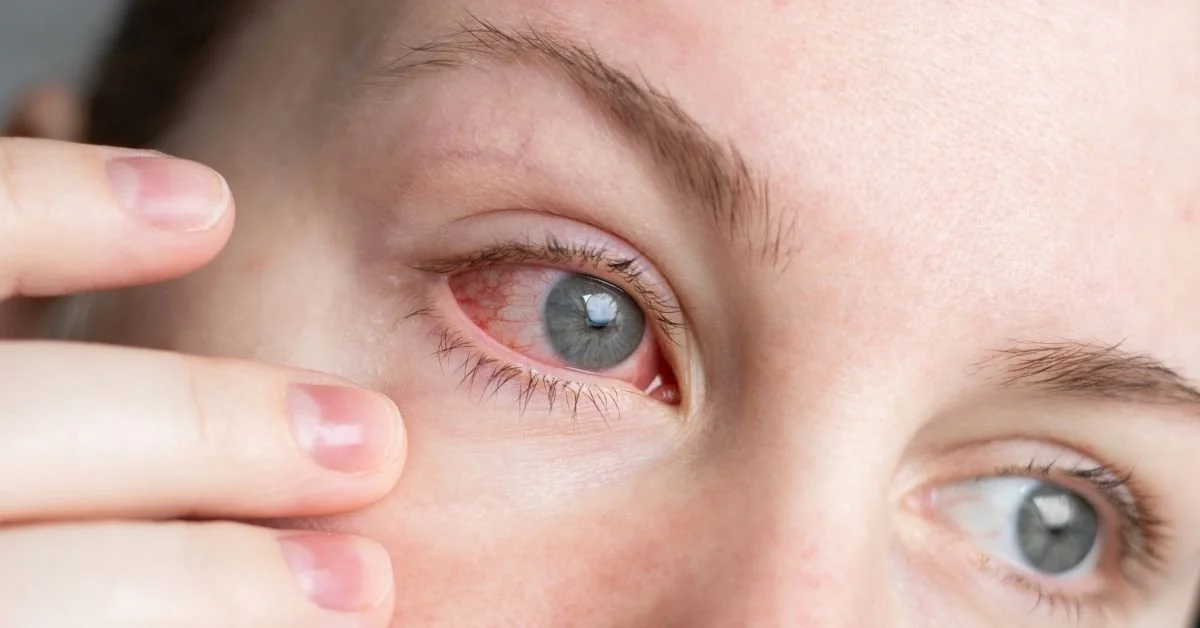


Somewhere around your 40s, your eyes stop doing three things at once, and most people just live with it. Here's the fix most places never actually get right, and why Stonewire builds every lens around how you really live, not just what your prescription says.