


I had a patient sit in my chair and say something that caught me off guard.
“I don’t think my eyes are bad… I just think the lighting everywhere is terrible now.”
We both laughed.
But as we talked, it became clear this wasn’t about lighting. It was about friction.
He was taking his glasses off to read and putting them back on to drive. Holding his phone farther away. Avoiding night driving. Feeling a little more tired at the end of the day, especially after being on his laptop.
Nothing dramatic. Just enough to make his day slightly harder than it needed to be.
And here’s what I’ve learned after years of having this conversation: People don’t come in for an eye exam asking for progressive lenses. They come in asking why things feel more difficult.
The Quiet Shift No One Talks About
There’s this stage in life — usually early to mid-40s — where distance vision is still solid.
√ You can see the road.
√ You can see faces.
√ You can see across a room.
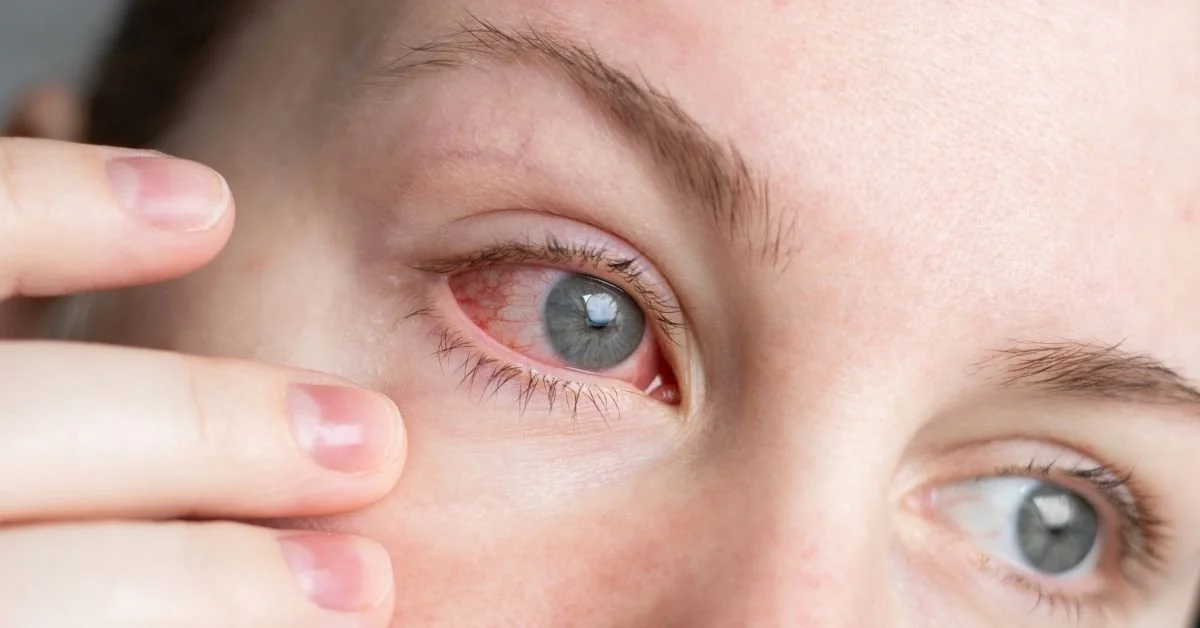
But when you look down at your phone or sit at your computer, something changes. Your eyes don’t snap into focus the way they used to. They hesitate. They strain.
It’s subtle at first.
You blame the lighting. The font size. The long workday.
But what’s really happening is that the natural lens inside your eye is losing flexibility. It’s called presbyopia, but the label doesn’t matter nearly as much as the feeling.
The feeling is: “Why does this suddenly feel harder?”
I Think We Resist Progressive Lenses for Emotional Reasons
Here’s something I’ve noticed.
No one is excited about the idea of progressive lenses. They feel symbolic. Like crossing into a new chapter. There’s this quiet fear that needing help at multiple distances means something about aging.
But here’s the truth: progressive lenses aren’t about aging.
√ They’re about efficiency.
√ They’re about reducing friction.
√ They’re about choosing ease instead of constant adjustment.
And when you look at it that way, they feel very different.
What Progressive Lenses Actually Change
Technically speaking, progressive lenses allow you to see far, intermediate, and near — all in one pair of glasses. The top is for distance. The middle supports computer work. The bottom is for reading.
But the technical explanation isn’t what matters most.
What matters is this:
You stop taking your glasses off to read.
You stop switching pairs.
You stop tilting your head to find clarity.
You stop negotiating with your vision all day.
You put your glasses on in the morning, and you move.
Drive. Work. Text. Cook. Look across the table at someone you love. Without interruption.
That continuity is the real benefit of progressive lenses.
The Biggest Misunderstanding About Progressive Lenses
I can’t tell you how many people say, “I tried progressive lenses once and couldn’t get used to them.”
And almost every time, when I dig deeper, what they had were basic stock lenses with minimal customization.
Progressive lenses are not all the same. We have never had more low-grade products to choose from, as the only differentiator most online and mass retailers have is price.
Lower-tier designs can have narrow usable zones. More peripheral blur. More distortion when you move your head.
Modern premium progressive lenses are entirely different. They’re digitally surfaced. Measured precisely. Matched to your prescription and your frame.
When done properly, adaptation is usually smooth. When done poorly, people assume the concept doesn’t work.
It’s rarely the concept. It’s the execution.
I See the Difference in Energy
Here’s something interesting.
When someone upgrades into a well-fit pair of progressive lenses, they often don’t say, “These are amazing.”
They say something quieter.
“I feel less tired.”
That’s what we’re really solving. Eye strain. Micro-adjustments. Subtle fatigue from constantly compensating. When your eyes don’t have to fight to focus all day, your brain relaxes. Your posture improves. Your headaches decrease. Your day flows better.
It’s not dramatic. It’s relieving.
It’s Not About Looking Older
There’s another layer we don’t talk about enough.
Bifocals have a visible line. And for many people, that line feels like an announcement.
Progressive lenses are clean. Seamless. Invisible from the outside. No one knows. You can choose the frame you love: bold, minimal, or designer. Nothing changes, or looks different.
There’s something powerful about needing vision support but not broadcasting it. That matters more than most people admit.
The Real Question Isn’t “Do I Need Progressive Lenses?”
The better question is:
Do I want my vision to feel effortless again? Because that’s what progressive lenses are really about.
Not three focal zones.
Not lens jargon.
Not technical diagrams.
They’re about removing the small daily annoyances that add up. They’re about investing in how you show up, at work, at home, behind the wheel, at the dinner table.
You aren’t “getting worse.” You’re adapting intelligently.
Progressive Lenses in Edmonton — Done Properly
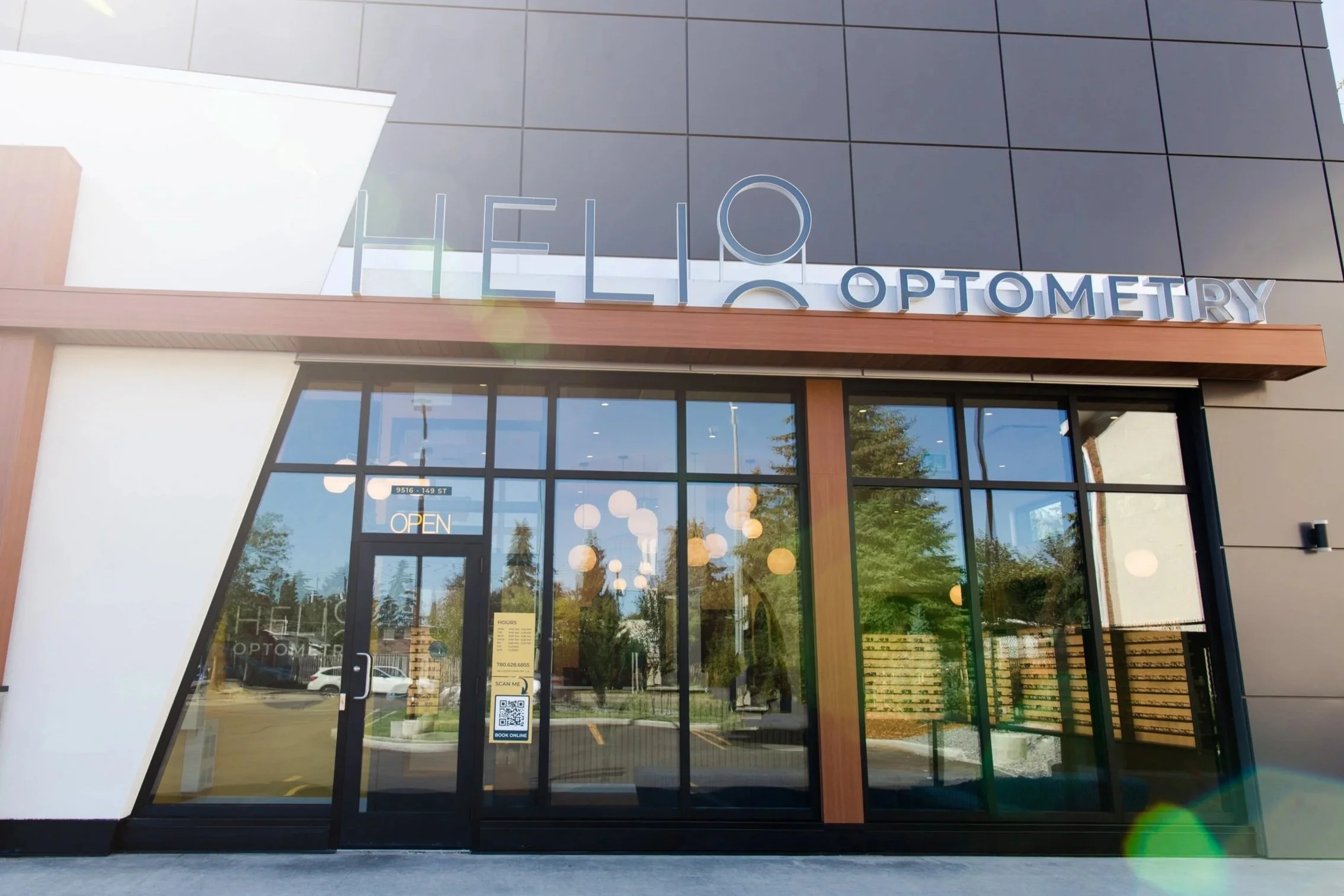
At Helio Optometry, we don’t hand out progressive lenses casually.
We measure precisely. We match lens design to lifestyle. We choose high-quality progressive lenses that expand usable viewing areas and feel stable and natural.
Because when progressive lenses are done right, you don’t think about them. You just live your life.
If you’ve been pushing menus farther away, switching between glasses, or feeling more eye strain than you used to, it might be time for a different approach.
Book your eye exam at Helio Optometry and let’s build a pair of progressive lenses that actually work, for your work, your life, and everything in between.
You’re not the risk. You’re the investment. And your vision should support that.

Disclaimer: The content provided in this blog post by Helio Optometry eye care clinic in West Edmonton is intended solely for informational purposes and does not replace professional medical advice, diagnosis, or treatment by a Licensed Optometrist. No doctor/patient relationship is established through the use of this blog. The information and resources presented are not meant to endorse or recommend any particular medical treatment or guarantee and outcome. Readers must consult with their own healthcare provider regarding their health concerns. Helio Optometry and its optometrists do not assume any liability for the information contained herein nor for any errors or omissions. Use of the blog's content is at the user's own risk, and users are encouraged to make informed decisions about their health care based on consultations with qualified professionals.





Somewhere around your 40s, your eyes stop doing three things at once, and most people just live with it. Here's the fix most places never actually get right, and why Stonewire builds every lens around how you really live, not just what your prescription says.