


Myopia Control
for Children in Edmonton
Slowing Nearsightedness Progression — Protecting Long-Term Eye Health
By 2050, it’s estimated that half of the world’s population will be myopic, with rates even higher in North America. For parents, this isn’t just a statistic, it’s a growing concern when a child’s eyeglass prescription keeps increasing year after year.
At Helio Optometry, we help families understand why myopia progresses, why early treatment matters, and how modern myopia control can slow it down—protecting both vision now and eye health for life.
Why Are Children Becoming Myopic?

What Is Myopia?
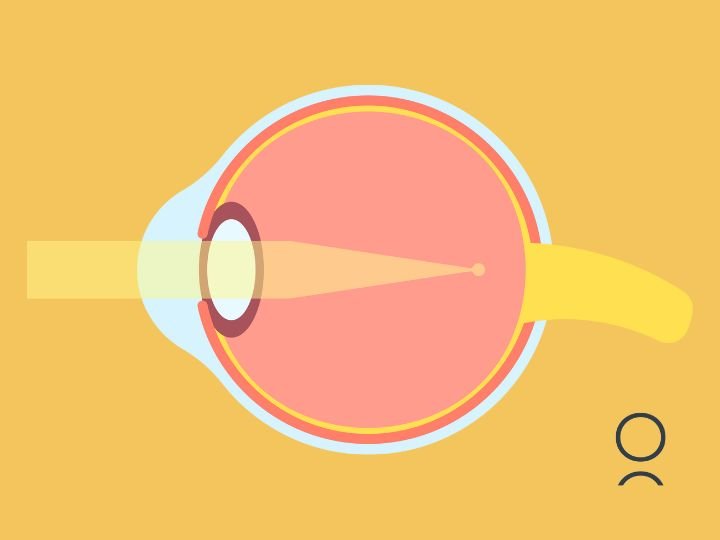
Myopia—commonly called nearsightedness—means distant objects appear blurry while near vision remains clear. In children, myopia is not just a focusing issue; it is most often caused by excessive eye growth.
A myopic eye grows longer than normal, causing light to focus in front of the retina instead of directly on it. This condition is known clinically as axial elongation, and it is the key reason myopia carries long-term eye health risks.
Important distinction:
Glasses and standard contact lenses correct blurred vision—but they do not slow eye growth.
Why Are More Children Becoming Myopic?

Myopia is influenced by a combination of factors:
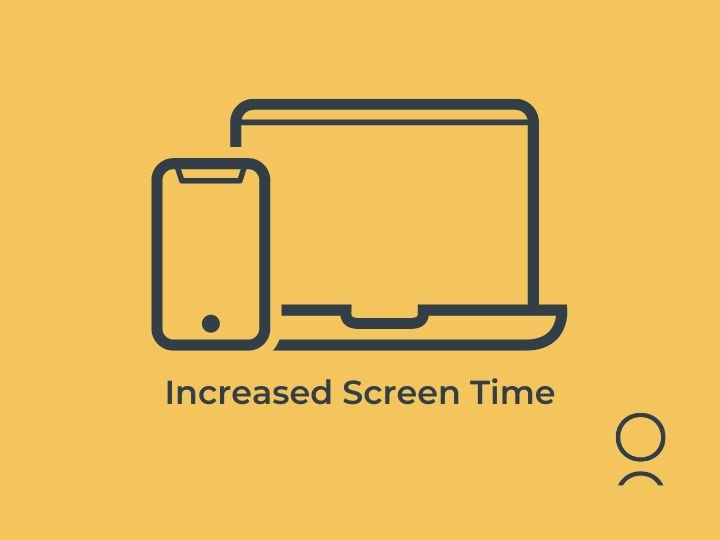
Increased screen and near work (tablets, phones, reading up close)
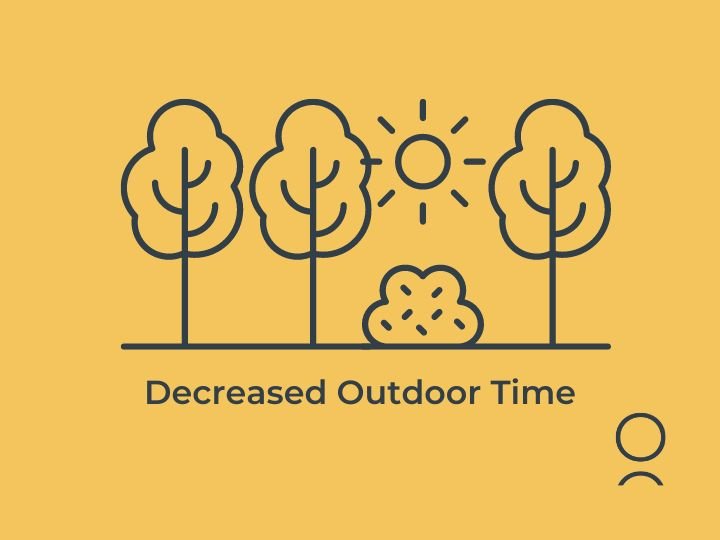
Reduced outdoor time (natural daylight plays a protective role)
Genetics (children with myopic parents are at higher risk)
When these factors combine during childhood—when the eyes are actively growing—myopia can progress rapidly, sometimes changing every 6–12 months.
Signs of Myopia in Children

Children don’t always know their vision isn’t ‘normal’. Common signs include:
Squinting or rubbing eyes
Holding books or screens very close
Difficulty seeing the board at school
Avoiding sports or distance activities
Declining school performance
Early detection is critical—myopia progression is fastest between ages 6 and 10.
Why Myopia Management Is So Important

Myopia is more than needing stronger glasses.
As the eye elongates, it stretches the retina and supporting structures. Over a lifetime, this increases the risk of serious eye diseases, including:
Retinal detachment
Glaucoma
Myopic maculopathy
Early cataracts
Even low levels of myopia increase risk. For every additional –1.00 diopter of myopia:
Retinal detachment risk increases by ~23%
Open-angle glaucoma risk increases by ~16%
IMPORTANT: Laser eye surgery (LASIK/PRK/SMILE/RLE) can correct vision later, but it does not reverse eye elongation or reduce these risks.
What Is Myopia Control?
Myopia control (also called myopia management) refers to evidence-based treatments designed to slow myopia progression during childhood—when intervention matters most.
At Helio Optometry, myopia control focuses on:
Slowing excessive eye growth
Reducing prescription changes over time
Lowering lifetime eye health risks
These treatments do not promise to stop myopia, but they can significantly reduce how much it progresses.
We Know That the Later a Child Becomes Myopic, the Lower Their Prescription Will Likely Be.
Reducing myopia by only 1.00 Diopter can reduce the risk of a retinal detachment by 23% and open-angle glaucoma by 16%.

Start Your Child’s Myopia Management Plan
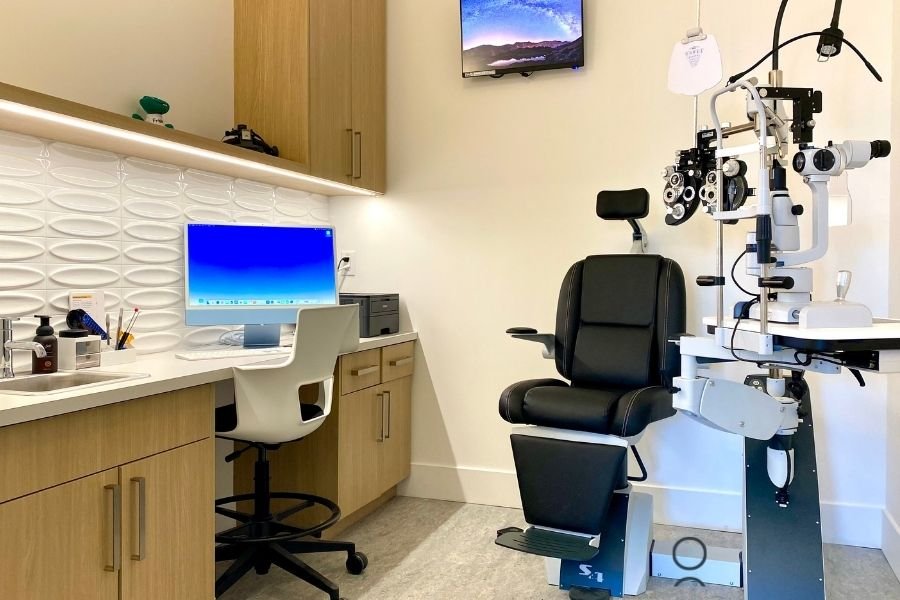
At Helio Optometry, we use advanced diagnostic technology and a personalized approach to myopia control, because no two children are the same. Early action can make a lifetime of difference.

Myopia Control Options at Helio Optometry
We customize treatment based on your child’s age, prescription, eye measurements, and lifestyle. Options may include:
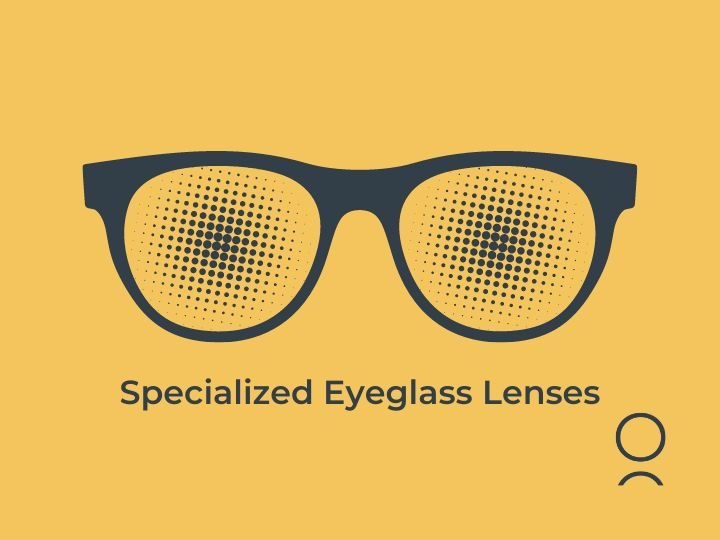
Myopia control eyeglass lenses
Specialized soft contact lenses for myopia control
Prescription low-dose atropine eye drops
Ongoing monitoring and measurement of eye growth
As a privately owned Edmonton eyecare clinic, we select treatments based on clinical evidence, not brand limitations.
Discover Your Myopia Management Choices.
Why Families Choose Helio Optometry in Edmonton
Child-focused, education-driven care
Advanced myopia measurement and monitoring
Access to leading myopia control treatments
Locally owned, Edmonton-based clinic
Our optometry clinic anchors the communities of Crestwood, Parkview, West Jasper Place and Sherwood. Get your child started on a myopia management plan as soon as possible.
-
Myopia control is a relatively recent shift in how childhood nearsightedness is managed. For many years, myopia was treated primarily as a vision correction issue—meaning the focus was on prescribing glasses or contact lenses to see clearly, not on slowing progression.
In the last decade, research has significantly expanded our understanding of how myopia progresses and how excessive eye growth affects long-term eye health. As a result, new treatment options and clinical guidelines have emerged.
Not every clinic has adopted these newer approaches, invested in the necessary technology, or shifted their care model toward active myopia management. In some cases, families were simply told to “update the prescription as needed” because that was the standard approach at the time.
Today, we know more—and we can do more. At Helio Optometry, we focus on early detection, education, and evidence-based options to help reduce how much myopia progresses over childhood and adolescence.
-
Myopia control is often considered as soon as myopia is detected—especially between ages 6 and 10, when progression is typically fastest. Suitability depends on your child’s prescription, rate of change, eye measurements, and overall eye health.
-
Yes. Even low levels of myopia carry increased lifetime eye health risks. Starting myopia control early can help reduce how much myopia develops overall.
-
Myopia control treatments do not promise to stop myopia completely, but strong clinical evidence shows they can slow progression for many children. Slowing progression often means a child finishes adolescence with a lower prescription than they would have otherwise
-
Regular single-vision glasses correct blurred distance vision but do not slow the eye growth that drives myopia progression. Myopia control typically requires specific lens designs, contact lens technologies, or prescription eye drops intended to slow progression.
-
Follow-up schedules vary by treatment type and risk profile, but myopia control typically involves more frequent monitoring than routine eye exams. Regular visits allow us to track prescription changes, eye growth, and overall eye health. Most children are followed every 4-6 months.
-
If treatment is stopped, myopia may begin progressing again. Any changes should be discussed with your optometrist so we can adjust the plan safely.
-
Healthy visual habits are important, but when myopia is progressing, lifestyle changes alone are usually not enough. They work best as part of a comprehensive management plan.
-
Yes. When properly prescribed and monitored, myopia control is considered safe and is supported by extensive clinical research. Treatments such as myopia-control glasses, specialized contact lenses, and low-dose atropine eye drops have been shown to slow myopia progression safely in children when supervised with regular follow-ups.