

Pickleball and Eye Safety: Why Protective Eyewear Matters
Pickleball has become one of the fastest-growing sports in Canada—and for good reason. It is active without being intimidating, social without being exclusive, and genuinely fun. For many people, pickleball is not just exercise; it is community, routine, and something that puts a smile on your face.
At Helio Optometry, our goal is not to discourage anyone from playing pickleball or other racquet sports. Quite the opposite. We want people to stay active, stay social, and keep enjoying the sports they love—safely.
Why Are We Talking About Eye Injuries?
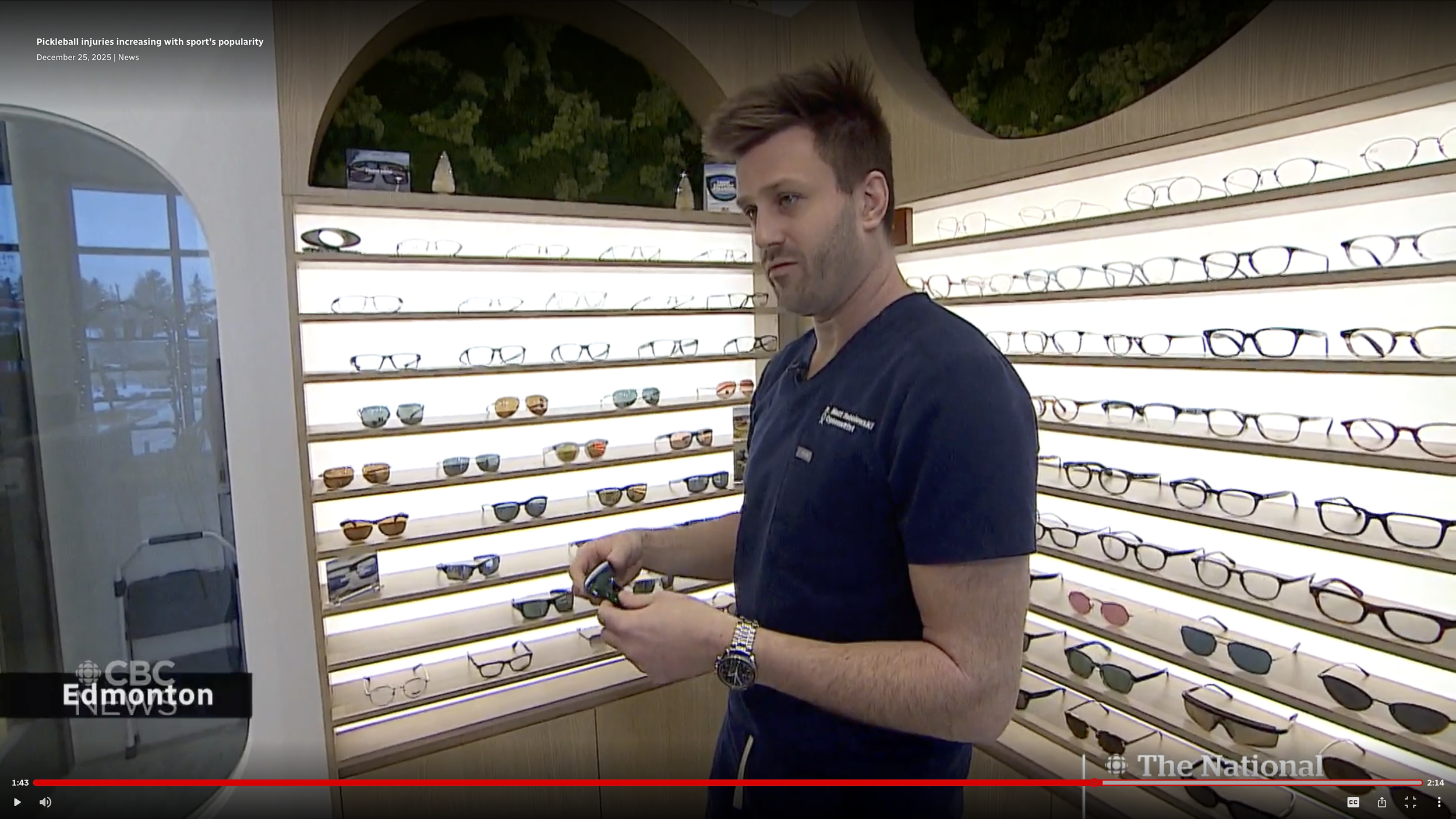
As pickleball has grown, so has awareness around eye injuries. Recently, Dr. Matthew Sobolewski, an Edmonton optometrist at Helio Optometry, was featured on CBC News The National discussing this exact topic.
The reason eye injuries come up in pickleball conversations is simple: the game is fast, close, and reactive. Players are often positioned near one another, volleys happen quickly, and the ball can change direction in a split second. Even experienced players can be caught off guard.
This does not mean pickleball is dangerous. It means it is predictably unpredictable—which is where eye protection comes in.
What Kind of Eye Injuries Are We Seeing?
Most pickleball-related eye injuries are accidental and preventable. They typically involve:
Direct impact from the ball
Accidental paddle contact during close play
Deflections at the net
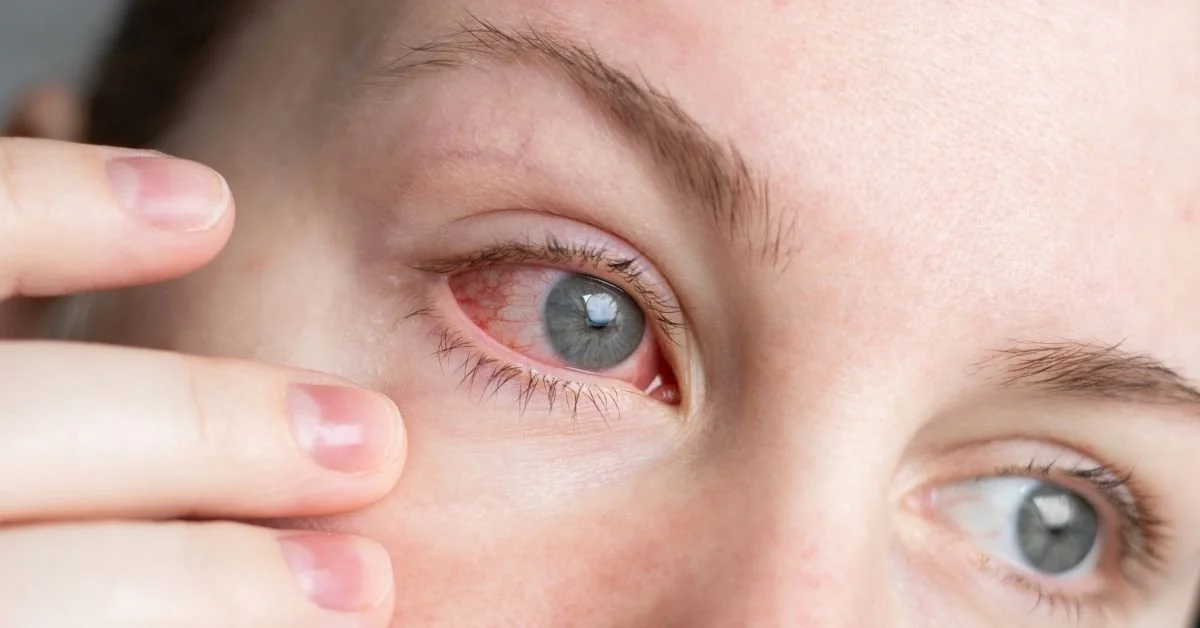
Injuries can range from minor irritation and bruising to more serious trauma involving the cornea, internal structures of the eye, or even permanent vision changes in severe cases.
The key point is not alarm—it is awareness.
Why Protective Eyewear Makes Sense
Protective eyewear is not about limiting performance. In fact, well-designed sports eyewear can enhance confidence by removing hesitation. When players feel protected, they play more naturally and focus on the game rather than avoiding contact.
Modern sports eye protection:
It is lightweight and comfortable
Offers impact-resistant lenses
Maintains clear, wide fields of view
Can be made with prescription lenses if needed
For racquet and paddle sports, protective eyewear is one of the simplest and most effective ways to reduce injury risk.
Who Should Consider Sports Eye Protection?
We recommend protective eyewear for:
Pickleball players of all ages
Anyone playing doubles or close-court formats
Players who already wear glasses or contact lenses
Individuals who have had previous eye injuries
If you already depend on your vision for work, driving, or daily activities, protecting it during sports is a logical extension of good eye care.
Staying Active, Seeing Clearly
Pickleball is excellent exercise. It supports cardiovascular health, coordination, balance, and mental well-being. We want people playing longer, playing safer, and continuing to enjoy the sport for years to come.
Education—not fear—is the goal.
If you play pickleball or other racquet sports and want guidance on protective eyewear or prescription sports lenses, our team is happy to help.
Your vision is worth protecting, on and off the court. Book your eye exam today, or stop by our optical showroom to discuss your safety eyewear needs with our Licensed Opticians.

Disclaimer: The content provided in this blog post by Helio Optometry eye care clinic in West Edmonton is intended solely for informational purposes and does not replace professional medical advice, diagnosis, or treatment by a Licensed Optometrist. No doctor/patient relationship is established through the use of this blog. The information and resources presented are not meant to endorse or recommend any particular medical treatment or guarantee and outcome. Readers must consult with their own healthcare provider regarding their health concerns. Helio Optometry and its optometrists do not assume any liability for the information contained herein nor for any errors or omissions. Use of the blog's content is at the user's own risk, and users are encouraged to make informed decisions about their health care based on consultations with qualified professionals.






Somewhere around your 40s, your eyes stop doing three things at once, and most people just live with it. Here's the fix most places never actually get right, and why Stonewire builds every lens around how you really live, not just what your prescription says.